

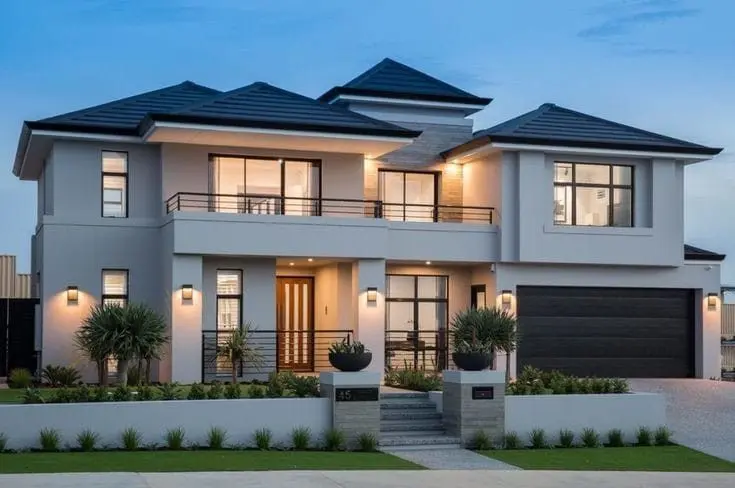
Choosing a roof tile is not only about colour, design or initial cost. A roof must continue protecting the home through years of sunlight, heavy rain, humidity, wind and temperature changes.
For most homes, high-quality clay, terracotta, ceramic and concrete tiles are among the most practical long-lasting roof tiles. Natural slate can last even longer, but its high cost, heavy weight and specialist installation make it less suitable for many residential projects.
In Kerala, the best long-term roofing choice is usually one that combines low water absorption, good heat performance, proper drainage, strong installation and easy availability of replacement tiles.
Quick Answer
The roof tiles with the highest durability potential are:
Natural slate tiles
High-quality clay tiles
Terracotta roof tiles
Ceramic or glazed roof tiles
Concrete roof tiles
Premium stone-coated metal tiles
However, the longest-lasting material is not automatically the best option for every home.
A properly installed clay or ceramic roof may perform better in Kerala than an expensive roofing material that does not suit the building structure, climate or roof design.
What Determines the Lifespan of a Roof Tile?
The material is important, but it is only one part of roof durability.
The actual service life of a tiled roof depends on:
- Tile quality
- Water absorption
- Manufacturing consistency
- Roof slope
- Tile overlap
- Structural support
- Waterproof underlay
- Wind fixing
- Drainage
- Installation quality
- Maintenance
- Local weather exposure
A premium tile installed with incorrect spacing, poor flashing or weak battens may fail earlier than a standard tile installed correctly.
- Clay Roof Tiles
Clay roof tiles are among the most trusted roofing materials used in tropical regions. They are made by shaping natural clay and firing it at high temperatures.
Good-quality clay tiles can remain functional for several decades when the roof is properly designed and maintained.
Why Clay Tiles Last Long
Clay does not rust, rot or attract termites. It also handles strong sunlight well and retains its natural appearance over time.
When installed on a sloped and ventilated roof, clay tiles can also help reduce direct heat transfer into the building.
Advantages
- Good resistance to heat
- No corrosion risk
- Natural colour
- Suitable for humid climates
- Replaceable individual tiles
- Widely available in Kerala
Limitations
Clay tiles can crack due to falling branches, careless foot traffic or poor handling.
Low-quality clay tiles may also absorb excess moisture, develop moss or weaken gradually. Buyers should therefore check firing quality, thickness, water absorption and interlocking strength.
Homeowners comparing materials for warm conditions can also read about the best roof tiles for hot weather in Kerala.
- Terracotta Roof Tiles
Terracotta tiles are also produced from fired clay, but they are often associated with refined finishes, richer natural colours and premium architectural profiles.
They are commonly used in villas, resorts, traditional homes and modern tropical architecture.
Why Terracotta Tiles Are Durable
Terracotta does not rely entirely on surface paint for its appearance. Its natural colour usually ages more evenly than low-quality coated products.
It also performs well on sloped roofs with good ventilation.
Advantages
- Natural and premium appearance
- Good thermal performance
- Resistant to rust and termites
- Suitable for Kerala-style homes
- Available in traditional and modern profiles
- Easy to replace individually
Limitations
The term terracotta does not guarantee quality. Water absorption, firing temperature, tile thickness and dimensional consistency can vary between products.
- Ceramic or Glazed Roof Tiles
Ceramic or glazed roof tiles are generally made from a fired clay body with a smoother protective surface.
These tiles are often chosen for homes that require a uniform appearance, better colour consistency and easier maintenance.
Why Ceramic Tiles Can Last Long
A quality glazed surface can reduce staining, surface porosity and moisture absorption. It can also make algae and dirt easier to remove.
The durability of the glaze alone is not enough, however. The tile body, edges and locking system must also be strong.
Advantages
- Low surface water absorption
- Better stain resistance
- Good colour consistency
- Easier cleaning
- Suitable for contemporary homes
- Available in multiple finishes
Limitations
Ceramic and glazed tiles can cost more than ordinary clay tiles. Their edges may also be damaged during transport or poor installation.
A glossy appearance should not be treated as proof of strength. Product quality must be checked beyond the surface finish.
- Concrete Roof Tiles
Concrete roof tiles are made using cement-based materials and are available in flat, curved and interlocking profiles.
They are widely used in modern homes because of their strength, uniform shape and design flexibility.
Why Concrete Tiles Last Long
Concrete tiles are structurally strong and can perform well under heavy rain and regular weather exposure.
Their consistent dimensions can also create better overlaps when they are installed correctly.
Advantages
- Strong and durable
- Consistent shape
- Multiple colours and profiles
- Good resistance to rain
- Suitable for modern and traditional homes
- Replaceable individual units
Limitations
Concrete tiles are heavy. The roof structure must be designed to support their load.
Surface colours may also fade gradually depending on coating quality, pigmentation and exposure.
Before choosing concrete tiles, homeowners should compare complete roof systems and understand which type of roofing is better for homes.
- Natural Slate Tiles
Natural slate is one of the longest-lasting roofing materials available.
It is made from natural stone split into thin roofing units and can remain serviceable for a very long time when installed correctly.
Why Slate Lasts Long
Slate is resistant to moisture, fire and ordinary weather exposure. It does not rust and does not depend on paint for protection.
Advantages
- Very high durability potential
- Natural stone appearance
- Good moisture resistance
- Fire-resistant
- Replaceable individual pieces
- Suitable for premium buildings
Limitations
Slate is expensive, very heavy and difficult to install.
It requires a strong supporting structure and experienced installers. Replacement materials may also be harder to source locally.
For homeowners comparing slate with other roofing choices, this overview of the top roofing materials for homes provides a broader material comparison.
- Stone-Coated Metal Roofing Tiles
Stone-coated metal roofing uses a metal base protected by coatings and stone granules. It is usually installed as larger tile-profile panels.
This option is commonly considered for renovations, lightweight structures and buildings that cannot support heavy roofing materials.
Why It Can Last Long
The metal core provides structural strength, while protective coatings help reduce corrosion and weather damage.
Advantages
- Lightweight
- Fast installation
- Suitable for renovations
- Good wind resistance
- Lower structural load
- Available in tile-like profiles
Limitations
Its lifespan depends heavily on coating quality, fasteners, installation and cut-edge protection.
Scratched surfaces, exposed edges or poor-quality accessories can create corrosion problems, especially in coastal and humid areas.
Long-Lasting Roof Tiles Comparison
| Roof Tile Type | Durability Potential | Heat Performance | Weight | Maintenance |
|---|---|---|---|---|
| Clay tiles | High | Very good | Medium to heavy | Moderate |
| Terracotta tiles | High | Very good | Medium to heavy | Moderate |
| Ceramic or glazed tiles | High | Good to very good | Medium | Low to moderate |
| Concrete tiles | High | Moderate to good | Heavy | Moderate |
| Natural slate | Very high | Good | Very heavy | Moderate |
| Stone-coated metal tiles | Good to high | Depends on insulation | Lightweight | Low to moderate |
The table provides a general comparison. Actual performance varies according to product quality, installation and exposure.
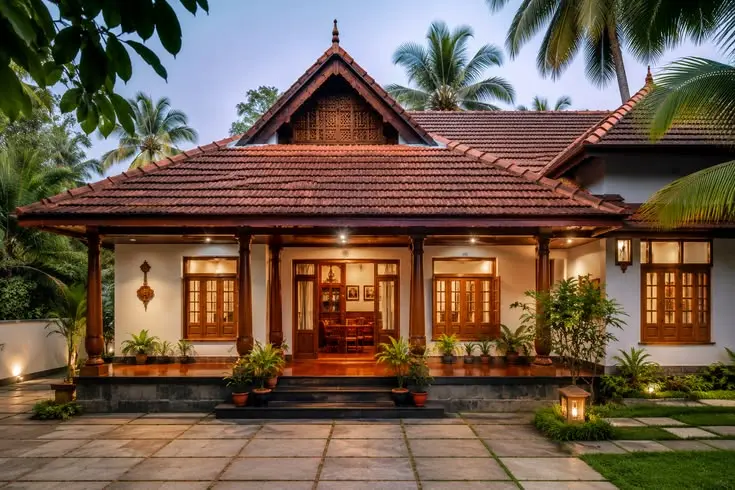
Which Roof Tiles Are Best for Kerala?
Kerala has a demanding roofing climate. Homes may experience:
- Strong sunlight
- Heavy monsoon rain
- High humidity
- Wind-driven rain
- Moss and algae growth
- Falling leaves and branches
- Coastal salt exposure
- Repeated wet and dry cycles
For many Kerala homes, clay, terracotta and ceramic tiles offer a practical balance of durability, thermal comfort, appearance and local availability.
Concrete tiles can also be a strong option when the roof structure is designed to support their weight.
Stone-coated metal roofing may suit lightweight buildings and renovation projects, but coating quality and corrosion protection must be checked carefully.
Homeowners exploring locally available profiles can compare the main roof tiles used in Kerala houses before selecting a product.
Why Water Absorption Matters
Water absorption is one of the most important factors affecting roof-tile durability.
A tile that absorbs too much moisture may:
- Become heavier during rain
- Develop algae or staining
- Deteriorate faster
- Transfer moisture to the roof structure
- Become weaker over repeated wet and dry cycles
This is particularly important in Kerala, where roofs may remain wet for long periods during the monsoon.
Before purchasing, ask the supplier for information about:
- Water absorption
- Firing quality
- Product testing
- Manufacturing standards
- Warranty coverage
Why Installation Matters as Much as Tile Quality
Many roof failures are caused by poor installation rather than weak tiles.
Common installation problems include:
- Incorrect roof slope
- Insufficient tile overlap
- Weak battens
- Improper ridge fixing
- Poor flashing
- Misaligned tiles
- Inadequate wind fixing
- Blocked valleys
- Lack of waterproof underlay
- Incorrect gutter design
The installer should follow the manufacturer’s recommendations for spacing, slope, overlap, fixing and waterproofing.
A durable tile cannot compensate for a poorly designed roofing system.
How to Make Roof Tiles Last Longer
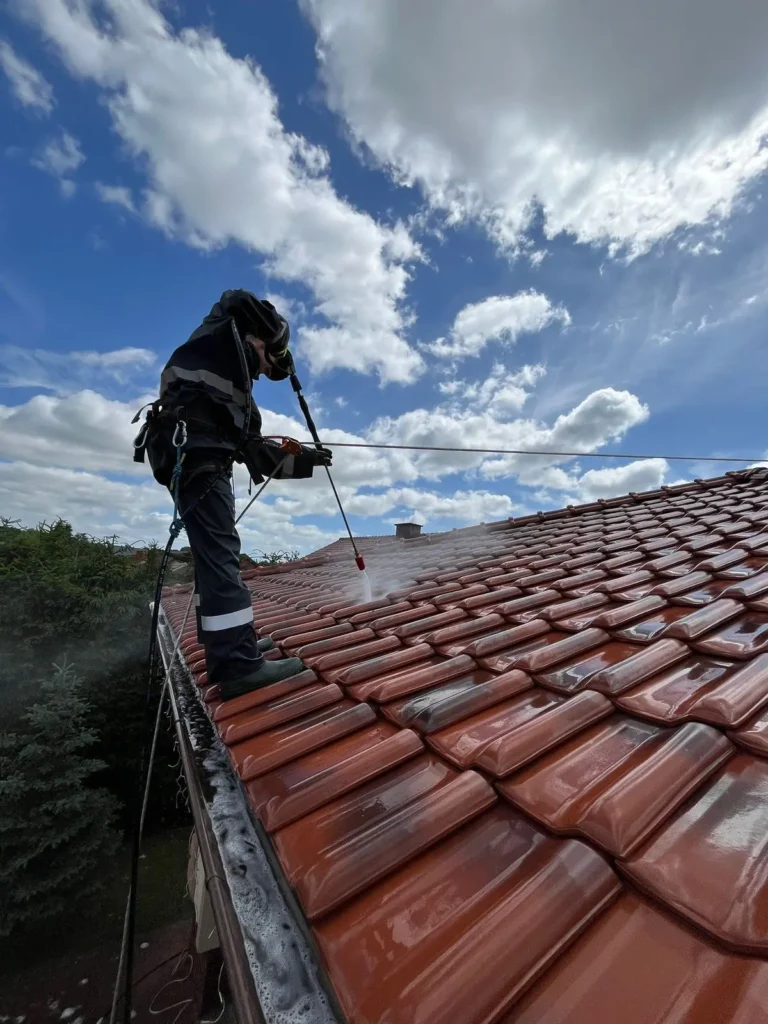
A tiled roof does not require constant maintenance, but periodic inspection can prevent minor problems from becoming expensive repairs.
Inspect the Roof After Severe Weather
Check for cracked, loose, displaced or missing tiles after heavy rain or strong winds.
Keep Gutters and Valleys Clear
Leaves and debris can block drainage and force water beneath tile overlaps.
Replace Damaged Tiles Early
A single broken tile may allow moisture to reach the underlay, battens, ceiling or walls.
Control Moss and Algae
Moss holds moisture against the surface. Use a suitable cleaning method that does not damage the tile or coating.
Trim Overhanging Branches
Branches can crack tiles, scratch coatings and block gutters.
Avoid Unnecessary Roof Traffic
Walking directly on unsupported tile sections can cause cracks. Roof access should be handled by experienced workers.
How to Choose the Right Long-Lasting Roof Tile
Do not choose roof tiles based only on appearance, price or warranty length.
Consider the following questions:
- Is the tile suitable for Kerala’s climate?
- What is its water-absorption level?
- What roof slope is recommended?
- Can the building support the tile’s weight?
- Is it suitable for coastal areas?
- Are compatible ridge and valley tiles available?
- Can replacement tiles be purchased later?
- What does the warranty cover?
- Does the supplier provide installation guidance?
- Is the product commonly available locally?
For a broader buying comparison, homeowners can review which roofing tiles are best in Kerala.
Are Expensive Roof Tiles Always Better?
No.
A higher price may reflect:
- Imported design
- Premium colour
- Special coating
- Brand positioning
- Limited availability
- Architectural finish
It does not automatically mean the tile will last longer.
Durability should be judged by:
- Material quality
- Water absorption
- Strength
- Dimensional consistency
- Coating quality
- Climate suitability
- Installation requirements
- Warranty terms
- Replacement availability
A properly installed mid-range tile may outperform an expensive tile that does not suit the building.
Which Tiles Are Commonly Used in Kerala Homes?
Kerala homes commonly use:
- Traditional clay tiles
- Mangalore-pattern tiles
- Terracotta tiles
- Ceramic tiles
- Concrete tiles
- Metal tile-profile roofing
Each option has different advantages in terms of heat control, weight, maintenance, appearance and budget.
This detailed comparison of tiles commonly used in Kerala houses can help homeowners understand the differences before making a final decision.
Final Verdict: Which Roof Tiles Last the Longest?
Natural slate offers one of the highest theoretical lifespans, but it is not the most practical choice for every home.
For most Kerala residential projects, high-quality clay, terracotta, ceramic and concrete tiles are among the best long-term options.
Clay and terracotta tiles are particularly suitable for homeowners who value natural appearance, ventilation and heat performance.
Ceramic tiles offer better surface consistency and easier maintenance.
Concrete tiles provide strength and design flexibility when the building can support their weight.
The longest-lasting roof is created by combining:
- The right tile material
- Good product quality
- Correct roof slope
- Strong structural support
- Professional installation
- Effective drainage
- Proper waterproofing
- Periodic inspection
- Timely repairs
The most useful question is not only:
Which roof tile lasts the longest?
It is:
Which roof tile will last the longest on my building, in my location and under my maintenance conditions?
That approach leads to a safer and more practical roofing decision.
Frequently Asked Questions
Which roof tiles last the longest in Kerala?
High-quality clay, terracotta, ceramic and concrete roof tiles are among the longest-lasting practical options for Kerala homes. Their final lifespan depends on water absorption, installation, roof slope, drainage and maintenance.
Are clay roof tiles long-lasting?
Yes. Properly fired clay roof tiles can last for several decades when installed on a suitable roof structure and maintained correctly.
Are concrete tiles more durable than clay tiles?
Both can provide excellent durability. Concrete tiles are strong but heavier, while clay tiles offer good natural heat performance and do not rust. The right option depends on the roof structure and location.
Are ceramic roof tiles suitable for Kerala?
Yes. Quality ceramic or glazed tiles can suit Kerala because they offer good resistance to moisture, staining and colour fading. Correct installation is still essential.
Which roof tiles are best for heavy rain?
Clay, ceramic and concrete tiles can all perform well in heavy rain when installed with the correct slope, overlap, underlay, flashing and drainage.
Do roof tiles reduce indoor heat?
Clay, terracotta and ceramic tiles can help reduce direct heat transfer, especially when combined with roof ventilation, underlay and insulation.
How often should roof tiles be inspected?
A tiled roof should be inspected periodically and after severe weather. Gutters, valleys, ridges, flashings and damaged tiles should receive particular attention.
What reduces the lifespan of roof tiles?
Poor installation, excess water absorption, blocked drainage, falling branches, roof traffic, weak structural support and delayed repairs can reduce the service life of roof tiles.
Need Help Choosing Long-Lasting Roof Tiles?
Need help choosing durable roof tiles for your home? Get expert guidance based on Kerala’s climate, your roof design and budget.