


A well-designed roof does more than protect your home from the elements. It enhances the architectural beauty, durability, and overall value of a building. While roofing tiles often receive the most attention during construction or renovation, ridge tiles are equally important in ensuring a complete, weather-resistant, and visually appealing roofing system.
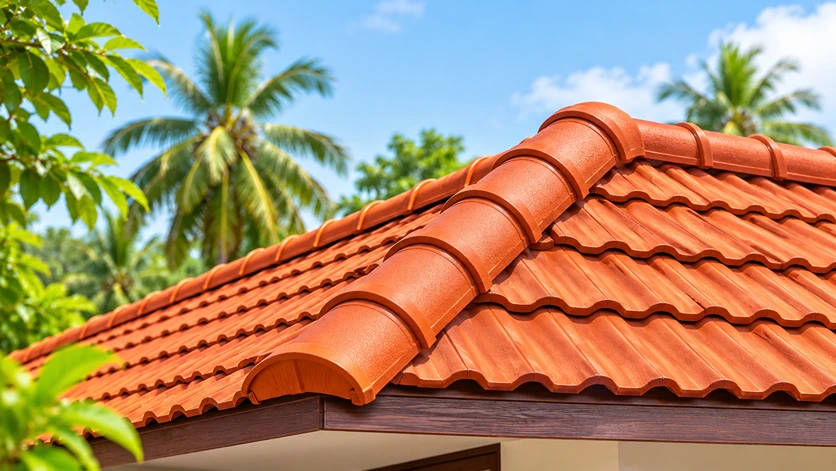
Ridge tiles are installed along the highest point of a pitched roof, where two sloping surfaces meet. They protect this critical junction from rainwater, wind, and other environmental factors while giving the roof a neat and attractive finish.
Choosing the right ridge tiles requires careful consideration of several factors, including material quality, roof design, weather resistance, tile compatibility, and installation methods.
For homes in Kerala, where heavy monsoon rainfall and humid weather conditions are common, selecting suitable ridge tiles is particularly important.
Whether you are an architect designing a residential project, a builder managing construction, or a homeowner planning your dream home, understanding how to choose ridge tiles can help you create a roof that combines lasting protection with architectural elegance.
What Are Ridge Tiles and Why Are They Important?
Ridge tiles are specially designed roofing components installed along the uppermost junction of two sloping roof surfaces. Unlike standard roofing tiles that cover the main roof area, ridge tiles are shaped to cover the exposed ridge and provide a continuous protective finish.
Their primary function is to help prevent rainwater and wind-driven moisture from entering the roofing structure through the ridge.
Beyond weather protection, ridge tiles also contribute to the roof’s appearance. A properly selected ridge tile creates a smooth transition between the two roof slopes and complements the overall architectural design.
Ridge tiles serve three essential purposes:
- Weather protection: Help protect the roof junction against rainwater and external weather conditions.
- Roofing durability: Cover vulnerable areas and support the long-term performance of the roofing system.
- Architectural appeal: Provide a clean, coordinated finish that enhances the roof’s visual appearance.
Selecting compatible ridge tiles is therefore an important part of both roofing design and construction.
Consider Your Roof Design and Architectural Style
The architectural style of your building should be one of the first factors considered when choosing ridge tiles.
Different roofing designs require different ridge profiles, shapes, and finishes. Traditional Kerala homes often feature sloping roofs with terracotta-coloured tiles, while contemporary residences may incorporate simplified rooflines and modern roofing finishes.
For traditional homes, curved clay ridge tiles can complement the natural texture and classic appearance of terracotta roofing tiles. These profiles blend well with heritage-inspired architecture and conventional pitched roofing designs.
For modern buildings, ridge tiles with streamlined profiles and coordinated finishes can help create a cleaner, more refined appearance.
Architects should also consider the roof pitch, ridge height, and proportions of the building when selecting ridge tiles.
Choosing ridge tiles that complement the overall roof design helps maintain architectural consistency and creates a visually balanced exterior.
Choose the Right Ridge Tile Material
The material of ridge tiles directly influences their durability, appearance, maintenance requirements, and compatibility with the roofing system.
Common ridge tile materials include clay, concrete, and metal, each offering different characteristics.
Clay Ridge Tiles
Clay ridge tiles are widely associated with traditional tiled roofs. Their natural earthy appearance makes them particularly suitable for Kerala-style homes and buildings featuring terracotta roofing.
Quality clay ridge tiles can offer long-lasting performance when properly manufactured, installed, and maintained. They also provide a coordinated finish when paired with compatible clay roofing tiles.
Concrete Ridge Tiles
Concrete ridge tiles are available in different shapes, colours, and surface finishes. They can complement various architectural designs and are commonly used with compatible concrete roofing systems.
Their suitability depends on material quality, roof structure, and installation requirements.
Metal Ridge Caps
Metal ridge caps are generally used with metal roofing sheets. They cover the roof ridge and are available in profiles that coordinate with the main roofing material.
Proper fixing and detailing are essential to accommodate weather exposure and movement within the metal roofing system.
Ridge Tile Material Comparison: Which One Should You Choose?
Understanding the differences between ridge tile materials can help homeowners, architects, and builders select the most suitable option.
Ridge Tile Material | Key Features | Best Suited For |
Clay Ridge Tiles | Natural appearance, classic finish, durable when correctly installed | Traditional Kerala homes and clay tiled roofs |
Concrete Ridge Tiles | Variety of profiles, colours, and finishes | Compatible concrete tiled roofing systems |
Metal Ridge Caps | Lightweight profiles, coordinated sheet finishes | Metal sheet roofing systems |
Important: The best ridge tile material is not necessarily the most expensive option. It is the one that matches your main roofing system, suits the local climate, and meets the required installation specifications.
When selecting a ridge tile material, consider the main roofing material, architectural requirements, local climate, and long-term maintenance expectations.
Check Weather Resistance and Durability
Weather resistance is one of the most important factors when selecting ridge tiles, particularly in regions experiencing heavy rainfall and seasonal winds.
In Kerala, roofing systems must withstand monsoon conditions, high humidity, sunlight, and changing temperatures throughout the year.
Ridge tiles are directly exposed to these conditions, making material quality and installation particularly important.
Choose ridge tiles that offer suitable resistance to water absorption, weathering, and normal environmental exposure.
Water resistance is especially important because poorly fitted ridge tiles may allow wind-driven rain to enter the roofing structure.
Similarly, ridge tiles should be securely fixed to withstand the wind loads expected at the building location.
For coastal and highly exposed areas, architects and builders should pay additional attention to fixing methods and roofing specifications.
High-quality ridge tiles, combined with appropriate installation techniques, can help reduce maintenance problems and support long-term roofing performance.
Select the Correct Ridge Tile Size and Profile
Ridge tiles are available in different sizes and profiles to accommodate various roof designs.
Choosing the correct dimensions is essential for achieving proper coverage, secure installation, and an attractive roofline.
The ridge tile profile should match the shape of the main roofing tiles and suit the roof pitch.
A ridge tile that is too narrow or incorrectly shaped may leave gaps between roofing components, increasing the risk of water penetration.
The required overlap between adjacent ridge tiles should also be considered. Proper overlap helps maintain continuous coverage along the roof ridge.
For roofs with complex designs, such as intersecting ridges or hip junctions, compatible accessories may be necessary to achieve a proper finish.
Before finalising the product, consult the manufacturer’s specifications or an experienced roofing professional to confirm that the selected ridge tiles are suitable for the roofing system.
Match Ridge Tiles with Your Roofing Colour and Finish
The colour and finish of ridge tiles significantly influence the overall appearance of the roof.
Since the ridge forms a visible line along the highest point of the building, selecting a suitable finish helps create a coordinated architectural appearance.
For traditional Kerala homes, terracotta, reddish-brown, and other natural earthy shades often complement clay roofing tiles.
For contemporary residences, neutral or darker finishes may be suitable when they match the main roofing system and exterior design.
Matching ridge tiles with the primary roofing tiles generally creates a seamless appearance, while carefully chosen contrasting finishes can highlight architectural details.
Texture is another important consideration. The surface finish of ridge tiles should complement the main roofing material rather than appear visually disconnected.
Comparing actual tile samples under natural lighting can help homeowners and architects make a more informed selection.
A coordinated combination of roofing tiles and ridge tiles can significantly enhance the building’s overall appearance.
Ensure Proper Ridge Tile Installation
Even high-quality ridge tiles may fail to perform effectively if they are not installed correctly.
Proper installation is essential for achieving secure fixing, effective weather protection, and a neat roof finish.
Ridge tiles should be positioned along the roof ridge with consistent alignment and the recommended overlap.
Depending on the roofing system, installation may involve mortar bedding, mechanical fixing, or compatible dry-ridge systems.
The selected fixing method should follow the manufacturer’s recommendations and relevant building requirements.
In areas exposed to heavy rainfall and strong winds, secure installation becomes especially important.
Poorly installed ridge tiles may loosen over time, create gaps, or allow rainwater to penetrate the roofing structure.
Professional roofing contractors can help ensure that ridge tiles are installed with suitable accessories, correct alignment, and appropriate weatherproofing details.
Investing in proper installation helps improve the reliability and appearance of the completed roof.
Understand the Importance of Ridge Tile Ventilation
Roof ventilation is an important consideration in many pitched roofing systems, especially in hot and humid climates.
Without adequate ventilation, heat and moisture may accumulate within the roof space, potentially contributing to condensation and moisture-related problems.
Certain roofing systems use specially designed ventilated ridge assemblies to allow warm, moist air to escape through the upper part of the roof.
When combined with suitable lower ventilation openings, these systems can support airflow and help manage moisture within the roof structure.
However, not all ridge tiles provide ventilation, and not every roof requires a ventilated ridge.
Architects and builders should evaluate the roof structure, insulation arrangement, moisture-control requirements, and local climate before selecting a ventilation system.
For homes in Kerala, appropriate roof ventilation can be an important part of maintaining a comfortable and durable building.
Consider Long-Term Maintenance and Value
When choosing ridge tiles, it is important to consider long-term performance rather than focusing only on the initial purchase price.
The quality of ridge tiles, compatibility with the roofing system, and installation methods can all influence future maintenance requirements.
Poor-quality or unsuitable ridge tiles may lead to premature damage, installation difficulties, or additional repair expenses.
Choose products with consistent manufacturing quality, suitable material properties, and reliable replacement availability.
Periodic roof inspections are also important, particularly after severe weather conditions.
Checking for cracked tiles, loose ridge components, damaged mortar, or failed fixings can help identify potential problems before they become more serious.
By selecting suitable ridge tiles and maintaining the roof properly, homeowners and builders can help preserve both the performance and appearance of the roofing system.
Avoid Common Mistakes When Choosing Ridge Tiles
Selecting ridge tiles without considering the complete roofing system can result in unnecessary maintenance issues and installation problems.
One common mistake is choosing ridge tiles based only on their appearance without checking whether they are compatible with the main roofing tiles.
Another is overlooking the roof pitch, tile profile, or required overlap. Incorrectly sized ridge tiles can create gaps and compromise weather protection.
Ignoring local weather conditions is another concern, particularly in regions exposed to heavy rainfall and strong winds.
Homeowners and builders should also avoid compromising on installation quality to reduce initial expenses.
Improper fixing, inadequate overlap, and unsuitable roofing accessories may affect the performance of the entire ridge system.
To avoid these problems, verify product specifications, select compatible roofing components, and follow recommended installation procedures.
Careful planning and professional workmanship can help create a durable, attractive, and reliable roofing system.
Why Choosing the Right Ridge Tiles Matters for Kerala Homes
Kerala’s architectural traditions and climatic conditions make roofing design especially important.
Traditional Kerala homes are known for their sloping tiled roofs, extended eaves, and distinctive architectural character.
These features help manage seasonal rainfall while creating an attractive building exterior.
Ridge tiles are an essential part of such roofing systems because they protect the junction between roof slopes and complete the visual appearance of the roof.
Modern homes in Kerala also incorporate pitched roofing designs, combining traditional roofing elements with contemporary architectural styles.
Whether used in a traditional residence or a modern building, suitable ridge tiles help support weather protection, architectural consistency, and long-term roofing performance.
For architects, home builders, and homeowners, ridge tile selection should be considered during the initial roofing design stage rather than treated as a final decorative detail.
Choose the Right Roofing Solution with Asian Roof
A well-designed roofing system requires careful attention to every component, from the main roofing tiles to the finishing details along the roof ridge.
Whether you are building a traditional Kerala home, designing a contemporary residence, or renovating an existing property, selecting compatible roofing materials is essential for achieving reliable and attractive results.
Asian Roof helps homeowners, architects, and builders explore roofing solutions suited to their project requirements and architectural preferences.
Choosing suitable roofing materials, understanding installation requirements, and paying attention to finishing details can help create a roof that combines protection, durability, and visual appeal.
Frequently Asked Questions About Ridge Tiles
❓Which ridge tiles are best for homes in Kerala?
Clay ridge tiles are a popular option for traditional Kerala homes with compatible clay roofing tiles. However, the best choice depends on the main roofing material, roof pitch, architectural design, and weather conditions. Proper installation is equally important for long-term performance.
❓What is the difference between ridge tiles and regular roofing tiles?
Regular roofing tiles cover the sloping surfaces of a roof, while ridge tiles are specially shaped to cover the upper junction where two roof slopes meet. Ridge tiles help protect this junction against rainwater and provide a neat finishing appearance.
❓Can ridge tiles prevent roof leakage during heavy rain?
Properly selected and installed ridge tiles help reduce the risk of rainwater entering through the roof ridge. However, effective leak prevention also depends on correct overlap, secure fixing, appropriate underlay or weatherproofing details, and the overall condition of the roofing system.
❓How do I know which ridge tile size is suitable for my roof?
The correct ridge tile size depends on the roof pitch, main roofing tile profile, ridge geometry, and required coverage. Checking manufacturer specifications and consulting a roofing professional can help ensure the right fit.
❓ How often should ridge tiles be inspected?
Ridge tiles should be included in routine roof inspections, particularly after severe storms or strong winds. Look for visible cracks, loose components, damaged mortar, or displaced tiles. Any inspection or repair at roof height should be performed safely by qualified professionals.
❓Can ridge tiles be replaced without replacing the entire roof?
Yes, in many cases, individual damaged ridge tiles can be replaced without replacing the complete roofing system. However, the feasibility depends on the fixing method, availability of compatible replacement tiles, and condition of the surrounding roof components.
Choosing the right ridge tiles is an important step toward creating a durable, weather-resistant, and visually appealing roof.
Although ridge tiles form only a small part of the roofing system, they play a significant role in protecting roof junctions and completing the building’s architectural appearance.
Factors such as material quality, roof design, weather resistance, tile compatibility, ventilation, and installation methods should all be considered before making a final decision.
For homeowners, architects, and builders in Kerala, selecting suitable ridge tiles is particularly important because of the region’s heavy rainfall, humidity, and diverse architectural styles.
By choosing compatible materials and ensuring professional installation, you can create a roofing system that offers dependable protection and lasting architectural elegance.
A beautiful roof is defined not only by its design but also by the details that complete it. Choose the right ridge tiles for lasting protection and a perfect finishing touch.
Planning your next roofing project?
Explore roofing solutions at Asian Roof and find the right materials to complement your home or building project.
Find the Right Ridge Tiles for Your Roof
Improve your roof's durability, protection, and style with quality roofing solutions from Asian Roof.
Explore Asian Roof Solutions →